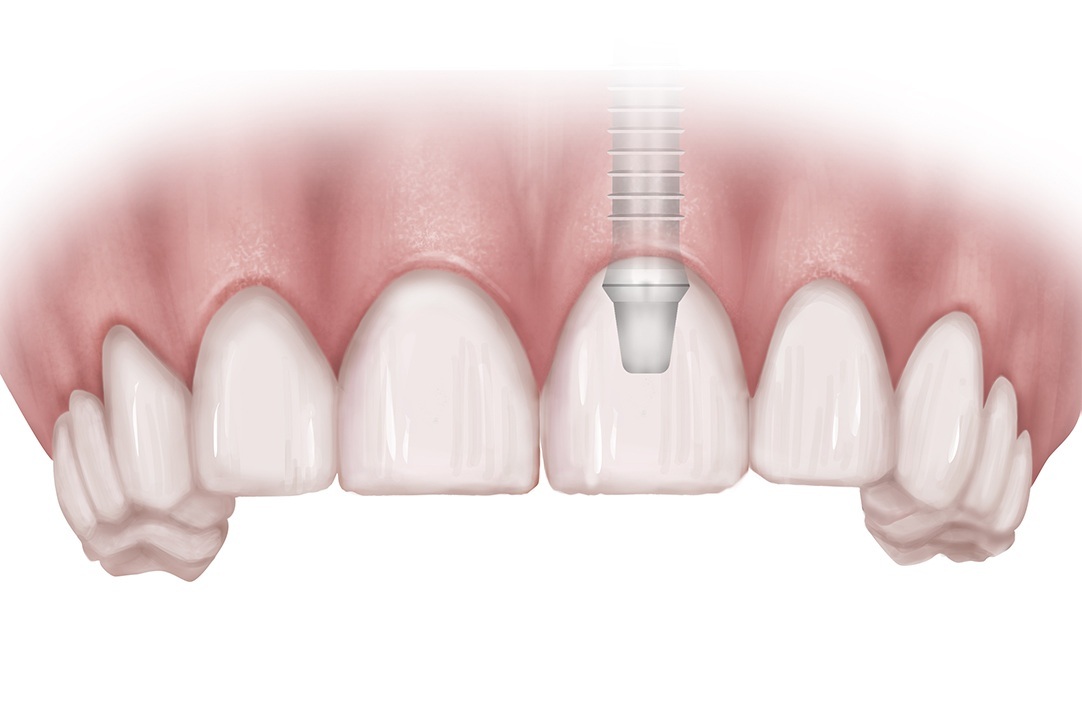
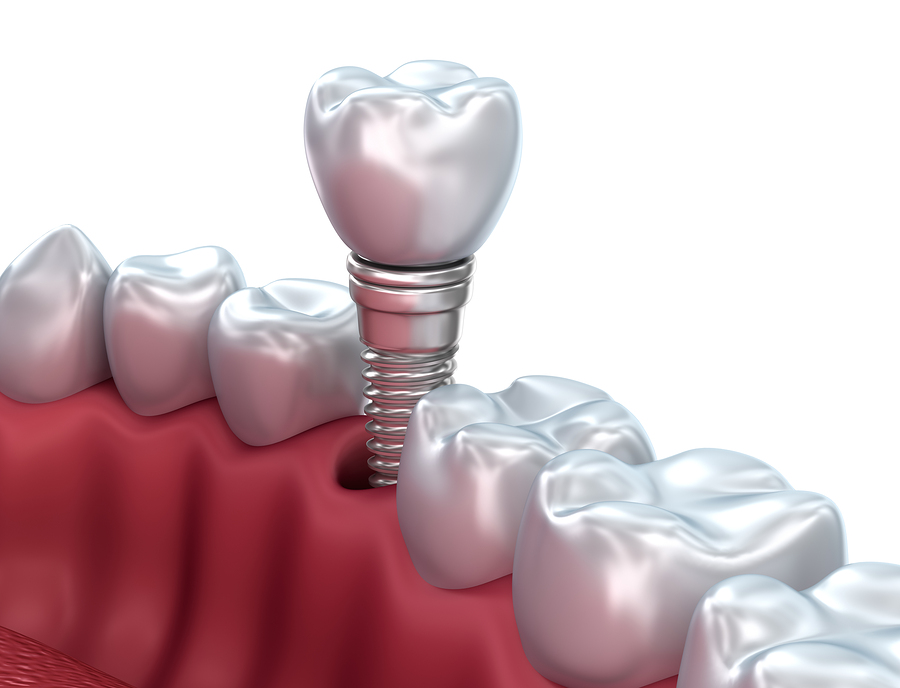
Dental implants are an innovative solution for replacing missing teeth, offering both functional and aesthetic benefits. Understanding the definition and purpose of dental implants is crucial for individuals seeking a long-lasting solution to their dental concerns. Dental implants are artificial tooth roots that are surgically placed into the jawbone to provide a sturdy foundation for dental restorations, such as crowns or dentures. By mimicking the natural tooth structure, dental implants restore oral functionality and help regain confidence in one's smile.
Recent advancements in dental implant technology have sparked interest in exploring their compatibility with different individuals. As experts continues to lead the way in research and innovation, there is growing awareness about potential factors affecting their success. Building upon the foundation laid by these professionals'vdefinition and purpose of dental implants, the dental community is collaboratively investigating their impact on various aspects, including allergic reactions. It's crucial for individuals considering dental implants to consult with professionals like Dental Implants Dr. K Luke Eades, D.D.S, who combine clinical expertise and academic partnership. By forging a strong link between these elements, we can better comprehend whether dental implants can cause allergic reactions in certain cases.
Dental implants utilize a variety of common materials that play a crucial role in their functionality and long-term success. These materials include titanium, zirconia, and ceramic, each with its unique properties and benefits. Titanium, known for its biocompatibility and strength, is the most widely used material due to its ability to fuse with the jawbone, creating a stable foundation for the implant. Zirconia, on the other hand, offers excellent aesthetics and is often preferred for its tooth-colored appearance. Ceramic implants, another popular choice, provide a metal-free alternative for individuals with specific sensitivities or preferences. Understanding the characteristics and applications of these common materials used in dental implants is essential for both patients and dental professionals in making informed decisions regarding implant selection and treatment planning.
Allergic reactions in relation to dental implants can have a significant impact on patients' oral health and treatment outcomes. These reactions encompass a range of types and manifestations, highlighting the complexity of the subject. Understanding the various allergic reactions that can occur in connection with dental implants is crucial for both patients and dental professionals. From common types of allergic reactions to specific complications like delayed hypersensitivity reactions and implant-associated allergic contact dermatitis, the spectrum of allergic responses can vary in symptoms and severity. Additionally, systemic allergic reactions pose unique challenges and require careful management. Differentiating allergic reactions from other implant complications is essential for accurate diagnosis and appropriate treatment. Implementing effective strategies for diagnosing, managing, and preventing allergic reactions is especially important for patients with known allergies. By navigating these aspects with diligence and consideration, patients can enjoy the benefits of dental implants while minimizing the risks associated with allergic responses.
As we delve into the world of dental implants, it is important to address a pertinent question: can dental implants cause allergic reactions? The intricate nature of this topic demands a comprehensive exploration of the potential for sensitivities and allergic responses associated with dental implants. While dental implants are generally well-tolerated by most individuals, there have been cases where patients have exhibited allergic reactions to the materials used in the implant construction. These reactions can manifest in various ways, ranging from localized discomfort and inflammation to more severe systemic symptoms. Delving into the complexities of allergic reactions in relation to dental implants requires a nuanced understanding of the factors that contribute to sensitivities and the strategies employed to mitigate their occurrence. By navigating this subject matter with care, we can shed light on the potential risks and empower patients and dental professionals alike with the knowledge necessary to make informed decisions regarding implant treatment.
When it comes to dental implants, being able to identify the symptoms of allergic reactions is crucial for prompt recognition and appropriate management. Allergic reactions to dental implants can present with a range of signs that may vary in their intensity and duration. Some individuals may experience localized discomfort, redness, or swelling around the implant site, while others may develop more systemic symptoms such as itching, rash, or even difficulty breathing. It is essential to pay attention to any unusual or persistent symptoms after undergoing dental implant treatment. By closely monitoring and recognizing these telltale signs, both patients and dental professionals can take proactive steps to address allergic reactions, ensuring optimal patient outcomes and well-being.
Can dental implants cause allergic reactions? |
|---|
Symptoms of Allergic Reactions to Dental ImplantsAllergic reactions to dental implants can manifest in various ways, with a range of symptoms that may include:
If you experience any of these symptoms after receiving dental implants, it is important to seek immediate medical attention for proper diagnosis and treatment. |
Risk Factors and Prevention StrategiesWhile allergic reactions to dental implants are rare, certain risk factors may increase the likelihood. These can include:
Prevention strategies may involve thorough patient screening, discussing potential allergies and sensitivities, and selecting implant materials that are less likely to cause allergic reactions. |
Treatment and ManagementIf allergic reactions to dental implants are diagnosed, appropriate treatment and management approaches may include:
Working closely with dental professionals and healthcare providers is essential to effectively manage allergic reactions and ensure the best possible outcome for patients. |
When it comes to identifying and diagnosing allergic reactions to dental implants, a comprehensive diagnostic process is employed to ensure accurate assessment and effective management. Diagnosing allergic reactions involves a combination of patient history, clinical examination, and specialized tests. The diagnostic journey begins with a thorough evaluation of the patient's symptoms and medical history, including any known allergies or sensitivities. Dental professionals then conduct a meticulous examination, examining the implant site and assessing for any signs of inflammation or discomfort. In some cases, specific tests such as patch testing or blood tests may be conducted to identify the specific allergen responsible for the reaction. By unraveling the diagnostic process, dental professionals can navigate the complexities of allergic reactions to dental implants and tailor treatment plans that prioritize patient safety and well-being.
When it comes to managing allergic reactions to dental implants, a multifaceted approach is essential to ensure optimal patient outcomes. Effective strategies encompass a range of considerations, from prevention to treatment and ongoing monitoring. Dental professionals play a pivotal role in guiding patients through this process, starting with a thorough assessment of the patient's medical history and potential allergens. Implementing preventive measures such as material selection based on the patient's allergy profile and conducting patch tests can help minimize the risk of allergic reactions. In cases where allergic reactions do occur, prompt and accurate diagnosis is crucial. Treatment options may involve removing the implant, prescribing medication to alleviate symptoms, or collaborating with allergists for specialized care. Regular follow-ups and monitoring assist in tracking the patient's response and adjusting the management plan accordingly. By navigating the intricacies of managing allergic reactions to dental implants, dental professionals can provide comprehensive care and prioritize patient well-being.
Protecting patients from the risk of allergic reactions to dental implants requires the implementation of effective prevention strategies. By adopting a proactive approach, dental professionals can safeguard patient well-being and minimize the occurrence of adverse reactions. Prevention begins with a comprehensive assessment of the patient's medical history, including any known allergies or sensitivities. Utilizing this information, dental professionals can carefully select implant materials that are less likely to trigger allergic responses. Thorough communication with patients about potential risks and sensitivities allows for informed decision-making. Additionally, conducting patch tests can help identify any underlying allergies before proceeding with implant placement. By prioritizing prevention strategies, dental professionals ensure a safer treatment experience, providing patients with peace of mind and optimal oral health outcomes.
Gaining real-life insights through case studies provides valuable knowledge and a deeper understanding of allergic reactions to dental implants. By examining specific cases, we can uncover the complexities and unique factors surrounding these reactions. Case studies shed light on various scenarios, showcasing the diversity of allergic responses and their impact on patients. These real-life examples encompass a range of manifestations, from localized discomfort and inflammation to more severe systemic symptoms. By delving into these case studies, dental professionals gain crucial insights that inform their diagnostic approaches, treatment plans, and ongoing management strategies. Drawing from these experiences, we can continuously refine our practices, optimize patient care, and ensure the best possible outcomes for individuals considering or undergoing dental implant procedures.
As we reflect on the intersection of dental implants and allergic reactions, it is clear that ongoing research and advancements hold promise for the future. The field of dentistry continues to strive towards improving implant materials and techniques, aiming to minimize the risk of allergic responses while maximizing patient outcomes. Innovations such as biocompatible materials, improved diagnostic tools, and personalized treatment approaches are on the horizon. With a focus on patient safety and well-being, the future of dental implants envisions a landscape where allergic reactions become even rarer, and comprehensive preventive strategies are integrated seamlessly into implant procedures. By embracing these advancements, dental professionals can ensure that dental implant treatments remain a reliable and effective solution for patients, while minimizing the potential risks associated with allergic reactions.
Allergic reactions to dental implants are possible, although they are relatively rare. These reactions can occur in response to the materials used in the implants, such as titanium or ceramic.
Symptoms of allergic reactions to dental implants can vary, but they may include localized discomfort, swelling, redness, itching, rash, and in severe cases, systemic symptoms like difficulty breathing or hives.
Individuals with known allergies, especially to materials used in dental implants, may be at a higher risk of developing allergic reactions. Patients with a history of allergic reactions to other dental materials or substances should inform their dentist before undergoing implant procedures.
If allergic reactions to dental implants are diagnosed, appropriate treatment options can be explored. These may include removing the implant, prescribing medication to manage symptoms, and working with allergists to develop personalized treatment plans.